Soderlind

Email

LinkedIn

Resume

Client: Epicz Lab

SAAS Ecosystem design

More about Epicz

Epicz Platform

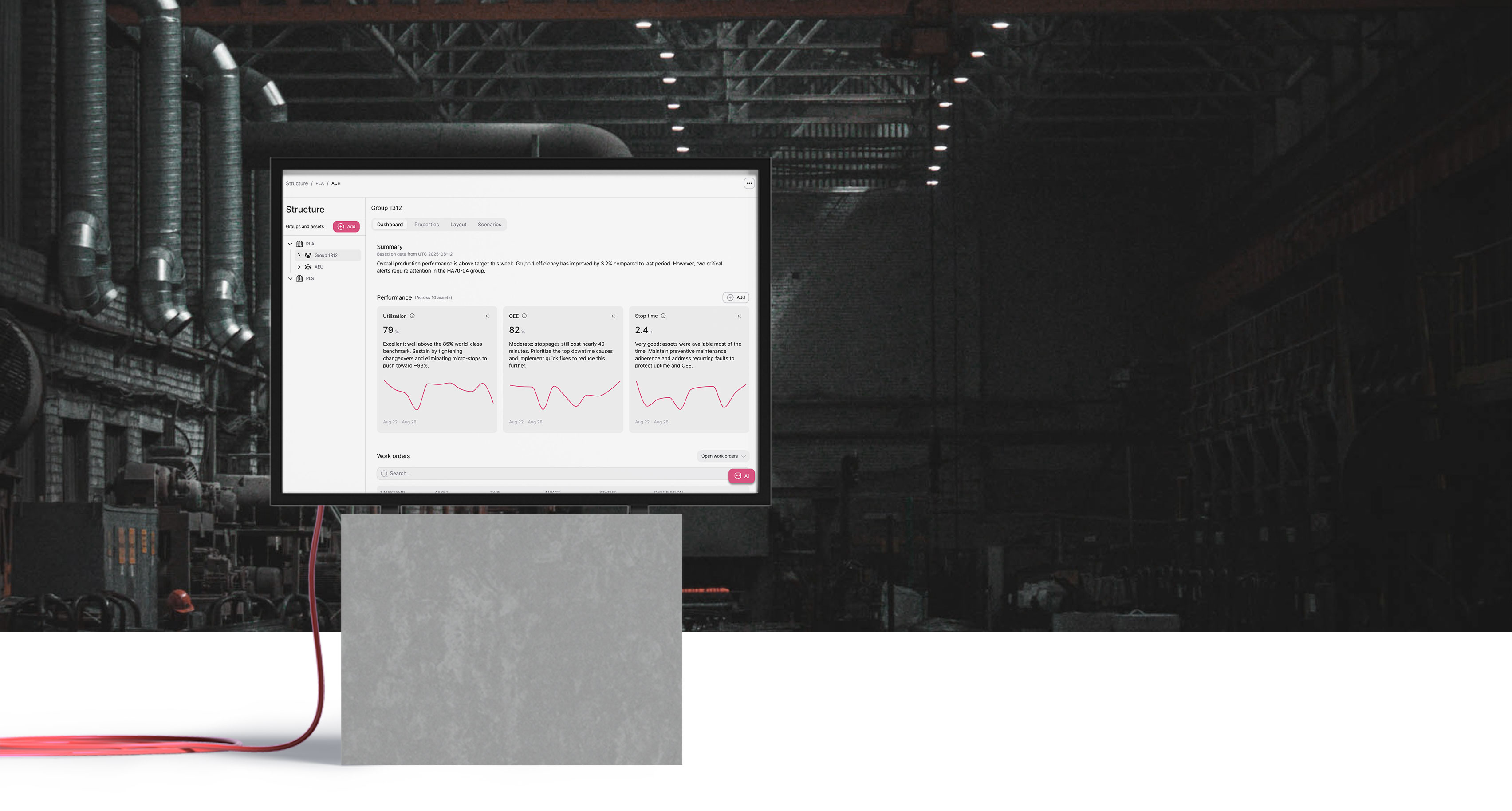
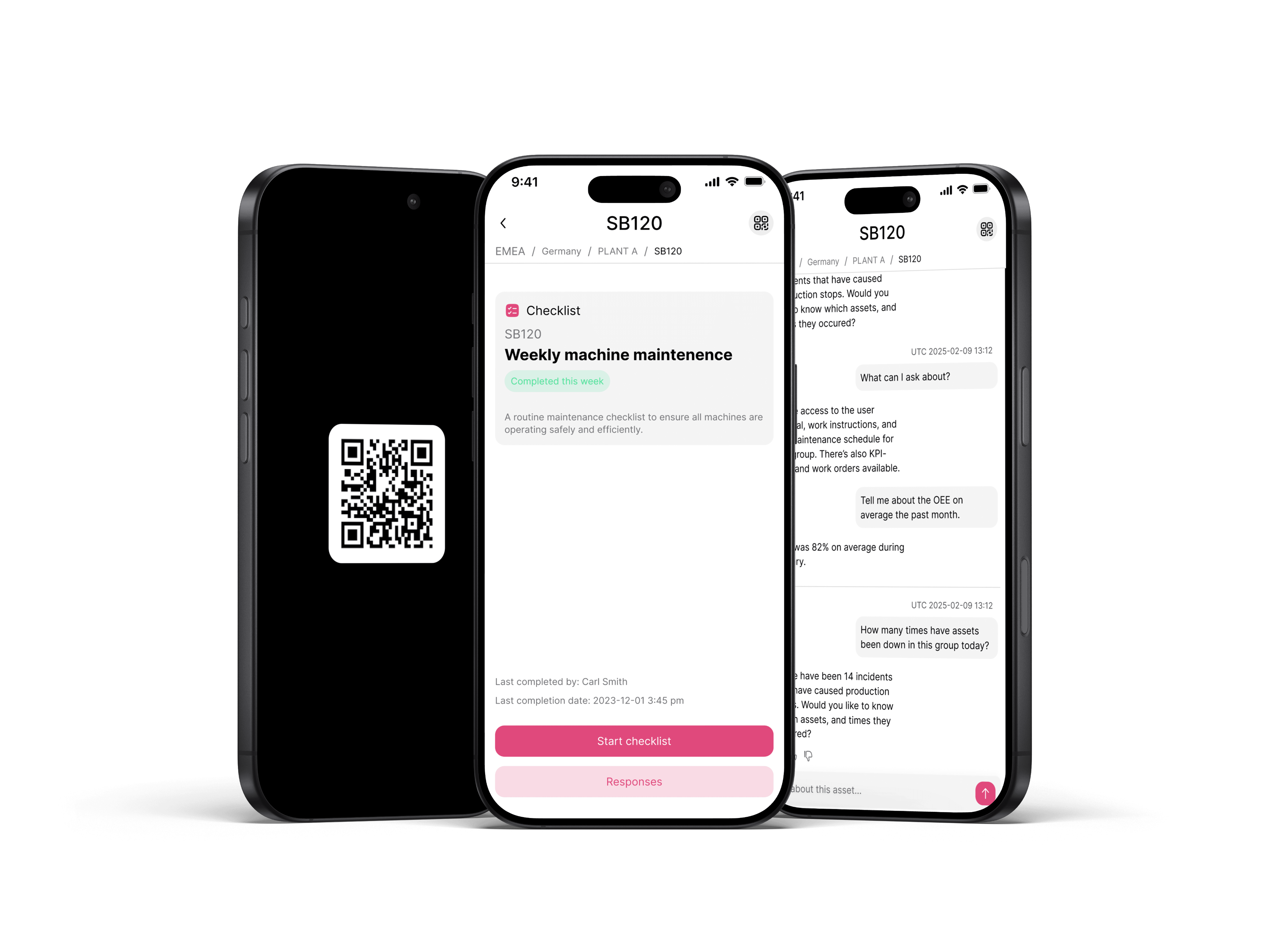
Epicz is a platform built to connect operations, workflows, and digital tools into one scalable system. My role was to lead the design of the core platform and mobile app, helping shape how complex processes are structured, understood, and used across the product.

The Challenge

The challenge was not designing isolated screens, but creating a system that could support multiple workflows, products, and future use cases without becoming difficult to understand. The platform needed to feel clear and intuitive while handling operational complexity behind the scenes.

  • Turning complex workflows into understandable actions

  • Creating consistency across platform and mobile

  • Designing structure for future scaling

  • Balancing flexibility with simplicity

My role

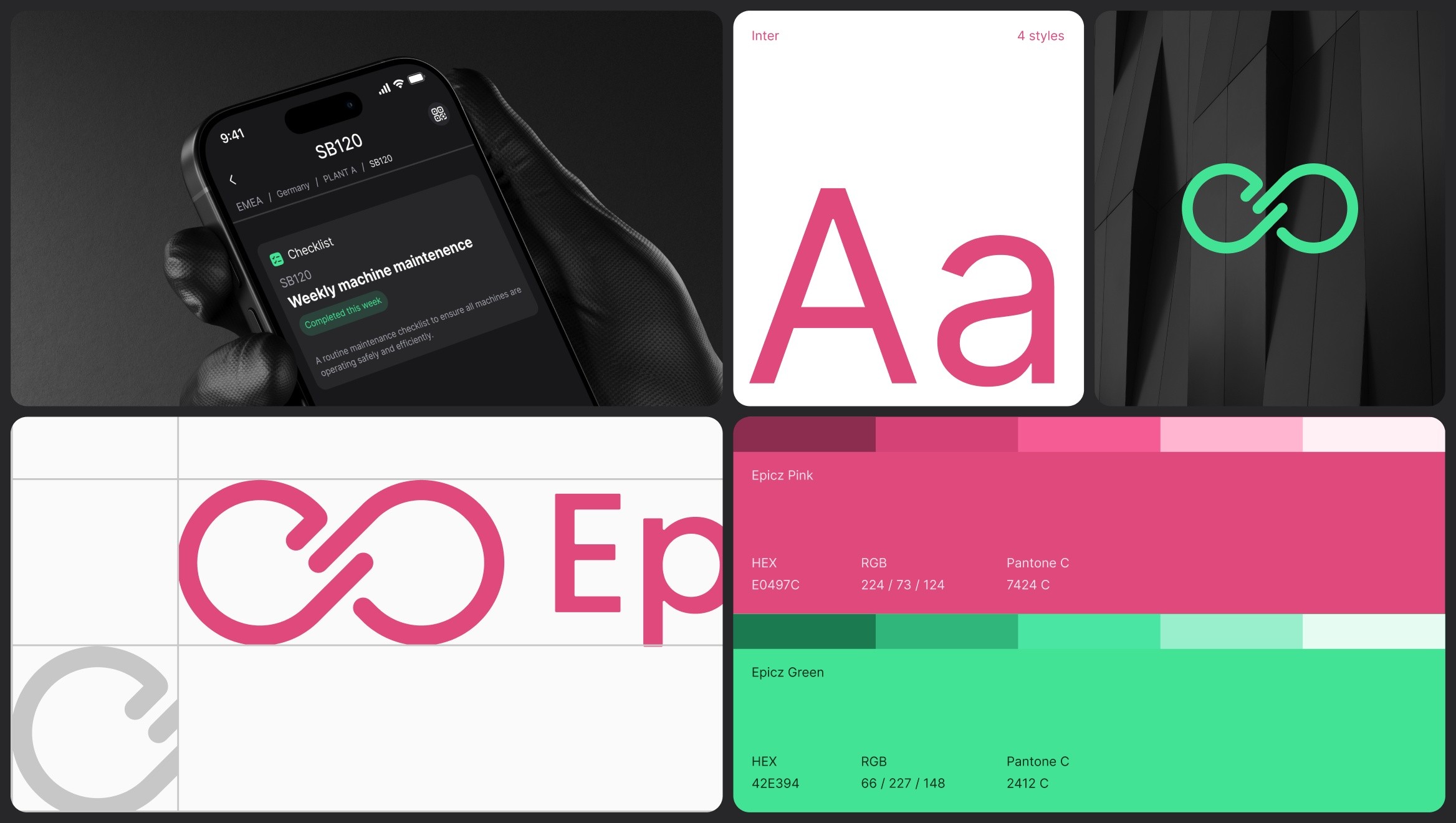
I led the design of the company’s core operations platform and mobile application from early concepts to production. In parallel, I established the visual identity and design system, built a reusable component library aligned with frontend implementation, and designed the company website in Webflow.

  • Led core platform and mobile design

  • Designed a process optimization tool from scratch

  • Built the design system and visual identity

  • Helped structure component thinking for Storybook

  • Designed and built the website

Designing for a platform,

not a single feature

A big part of the work was designing structure rather than just interfaces. The platform had to support different workflows, products, and surfaces while remaining coherent. That meant defining patterns, relationships, and reusable logic early, so new functionality could be added without breaking the experience.

This is great place for:

  • a system map

  • a flow diagram

  • a screenshot of multiple modules together

  • component patterns

Creating a scalable

foundation

Instead of solving each workflow independently, I focused on designing shared patterns and a reusable structure that could support multiple areas of the platform. This made the experience more consistent and gave the product a stronger foundation for growth.

Simplifying operational

complexity

Many workflows involved complex information and multiple steps. The goal was to reduce cognitive load by making actions clearer, grouping related information, and removing unnecessary friction in key flows.

Designing the process

optimization tool

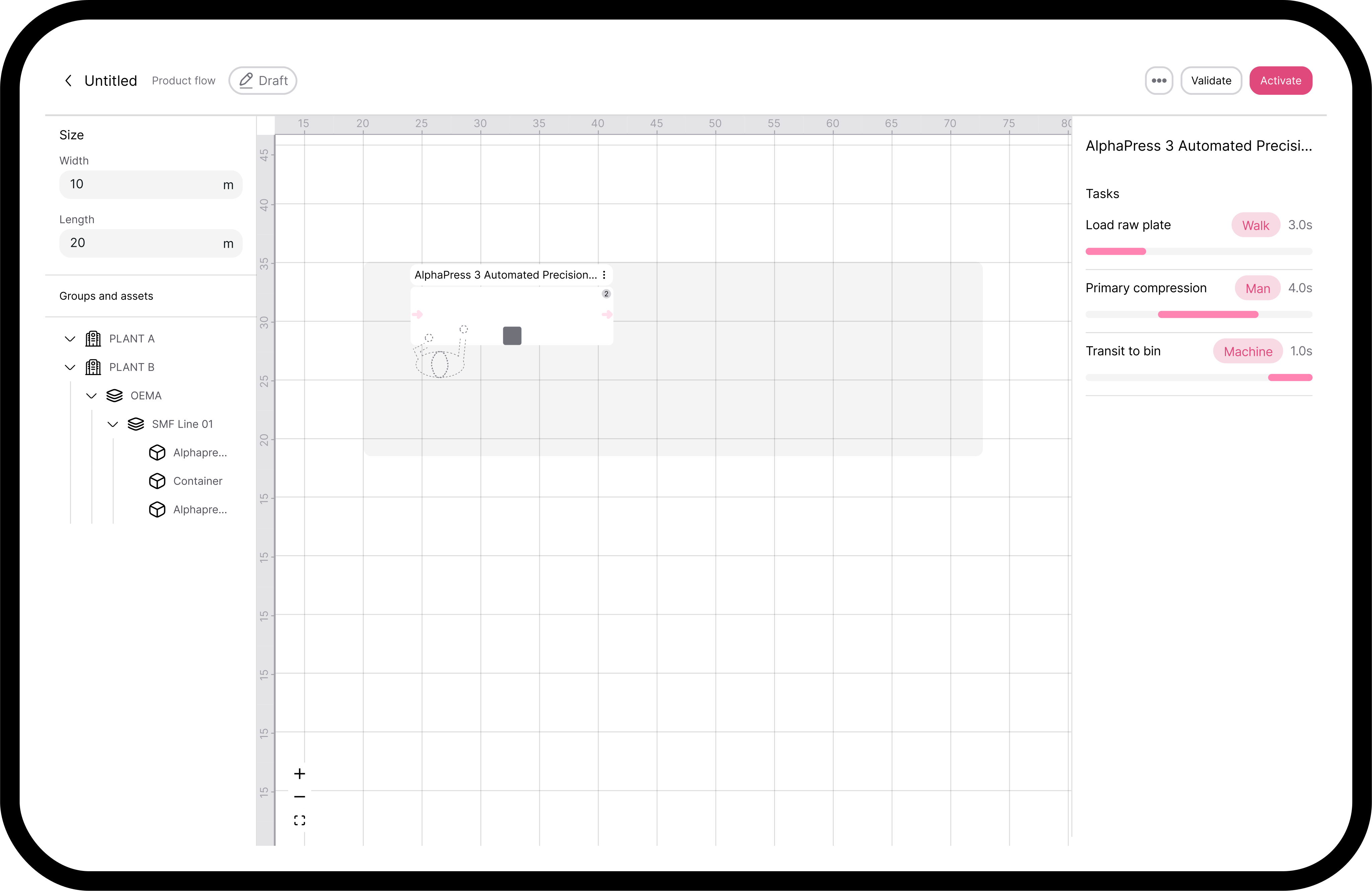
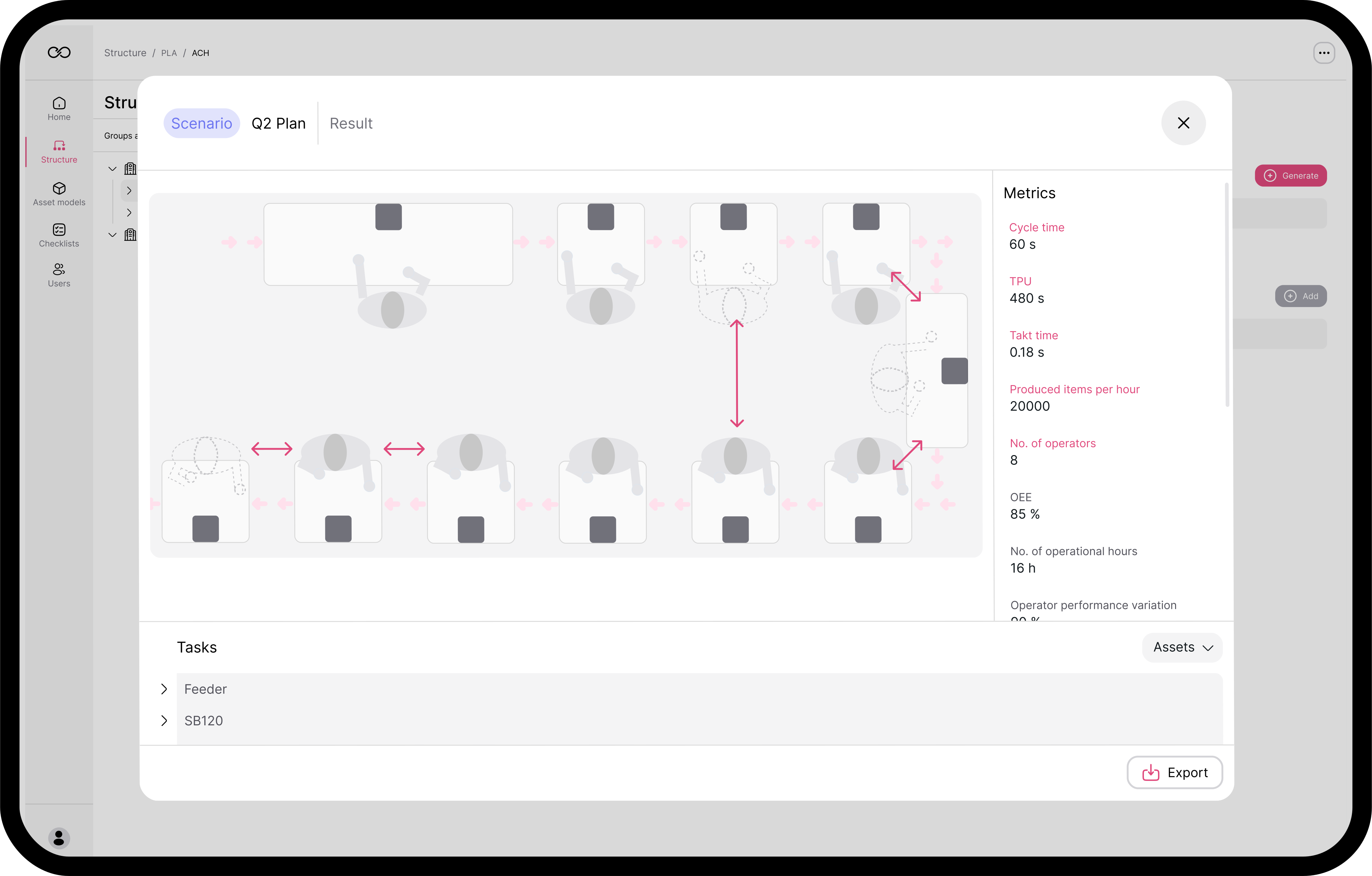
I designed a process optimization tool from scratch to help users structure and improve operational workflows. It later became part of the production product, which made it one of the most meaningful pieces of the work.

Bridging design and

development

To support consistency beyond the design files, I built and evolved a component library aligned with modern frontend practices. This helped connect design decisions to implementation and supported the Storybook setup.

Bridging design and

development